
In today’s digital world of February 2026, online scams have become more sophisticated and widespread than ever. With AI tools enabling deepfakes, voice cloning, and hyper-realistic impersonations, fraudsters are stealing billions annually—U.S. consumers reported over $12.5 billion in fraud losses in recent years, with trends showing continued escalation, especially in crypto-related schemes reaching estimated $17 billion in 2025 alone.
Scammers exploit trust, urgency, greed, fear, and loneliness through emails, texts, social media, dating apps, calls, and fake websites. Awareness is your best defense. Here are some of the most common and dangerous online scams circulating right now, along with practical ways to spot and avoid them.
1. Imposter Scams (Including Government, Bank, or Family/Friend Impersonation)
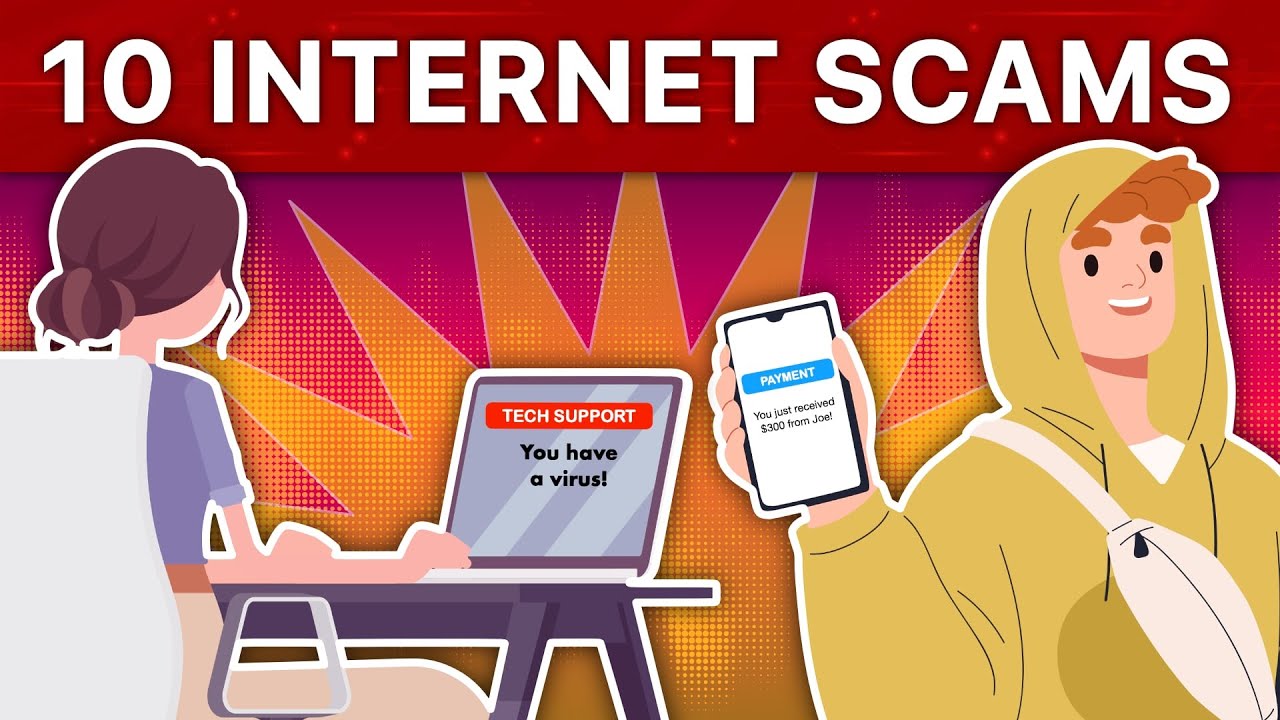
Scammers pretend to be someone you trust—a bank representative, IRS agent, tech support, or even a relative in distress—to trick you into sending money or sharing personal details.
How it works: You receive an urgent call, email, or text claiming your account is compromised, you owe taxes, or a loved one needs immediate help (e.g., “I’m stranded and need money wired”). AI-powered deepfakes make voices and videos eerily realistic.
Red flags:
- Urgent demands for payment via gift cards, wire transfers, cryptocurrency, or apps like Zelle/Venmo.
- Requests to keep it secret or avoid contacting official channels.
- Caller ID spoofing or slightly off-sounding voices (even if familiar).
How to avoid:
- Hang up and call back using a known number (e.g., your bank’s official app or website).
- Verify any family emergency by calling them directly on a trusted contact.
- Government agencies like the IRS never demand immediate payment via crypto or gift cards.
- Use two-factor authentication (2FA) and never share verification codes.
2. Romance Scams (Including “Pig Butchering” Schemes)
Fraudsters build emotional connections on dating apps, social media, or messaging platforms, then invent crises or “investment opportunities” to extract money.
How it works: After weeks or months of grooming, they claim emergencies (medical bills, travel issues) or lure you into fake crypto investments with promises of huge returns. AI deepfakes now enable realistic video calls.
Red flags:
- They profess love quickly and avoid meeting in person.
- Requests for money, especially via irreversible methods like crypto or gift cards.
- Pushy investment advice leading to fake trading platforms.
How to avoid:
- Never send money to someone you’ve only met online.
- Reverse image search profile photos.
- Be wary if they avoid video calls or push for off-platform communication quickly.
- If it feels too good to be true emotionally or financially, it probably is.
3. Online Shopping and Fake Website Scams
Phony e-commerce sites or social media ads offer unbelievable deals on popular items (pets, electronics, limited-edition goods).
How it works: You pay, but receive nothing, cheap knockoffs, or malware-infected links. Fake stores mimic real brands with near-identical designs.
Red flags:
- Prices far below market value with “limited time” pressure.
- Poor grammar, no HTTPS, or suspicious domain (e.g., slight misspellings).
- Payment requested via wire transfer, gift cards, or crypto.
How to avoid:
- Shop directly on official brand sites or trusted marketplaces.
- Check reviews on independent sites and use browser extensions for scam detection.
- Use credit cards for purchases (better fraud protection than debit or apps).
4. Phishing Attacks (Email, SMS, and Deepfake-Enhanced)
The most prevalent tactic: messages with malicious links or attachments pretending to be from trusted sources.
How it works: Click a link to “update” your account, claim a package, or view an invoice—leading to stolen credentials or malware. AI makes phishing emails/texts more personalized and convincing.
Red flags:
- Unsolicited urgent requests.
- Hover over links to see mismatched URLs.
- Typos or odd phrasing (though AI reduces these).
How to avoid:
- Don’t click links in unexpected messages—type the URL manually.
- Enable spam filters and use antivirus software.
- Report suspicious messages to your email provider.
5. Fake Job and Employment Scams
Especially rising amid economic uncertainty, with bogus job offers on social media, texts, or sites.
How it works: “Easy remote work” promises high pay but requires upfront fees, personal info, or equipment purchases. Some lead to identity theft or money mules.
Red flags:
- Unsolicited job offers via text/WhatsApp.
- Requests to pay for training, background checks, or equipment.
- Vague job details or pressure to start immediately.
How to avoid:
- Research companies independently.
- Legitimate employers never ask for money upfront.
- Use official job boards and verify contacts.
6. AI-Powered Deepfake and Investment/Crypto Scams
Emerging heavily: Fake videos/audio of celebrities or executives endorsing crypto schemes, or deepfake calls demanding action.
How it works: A “celebrity” livestream or relative’s voice/video begs for crypto transfers with promises of doubling funds.
Red flags:
- Unsolicited investment tips via social media or calls.
- Pressure to act fast on “exclusive” opportunities.
- Requests for crypto payments.
How to avoid:
- Verify any urgent call/video by contacting the person independently.
- Be skeptical of celebrity endorsements—many are deepfakes.
- Never invest based on unsolicited advice; research thoroughly.
General Tips to Stay Safe Online in 2026
- Slow down — Scammers thrive on urgency; legitimate requests give time.
- Verify independently — Use official websites/apps, not provided links/numbers.
- Protect your info — Use strong, unique passwords + manager; enable 2FA everywhere.
- Be skeptical — If it sounds too good (or too scary) to be true, pause and research.
- Report it — Forward suspicious texts to 7726 (SPAM), report to FTC.gov, BBB Scam Tracker, or local authorities.
- Educate others — Share this knowledge, especially with vulnerable family members.
Scams evolve quickly with technology, but the core playbook—exploiting emotions and rushing decisions—remains the same. Stay vigilant, trust your instincts, and you’ll significantly reduce your risk. If you’ve already been targeted, act fast: contact your bank, change passwords, and report to authorities. Recovery is possible when addressed immediately. Stay safe out there.