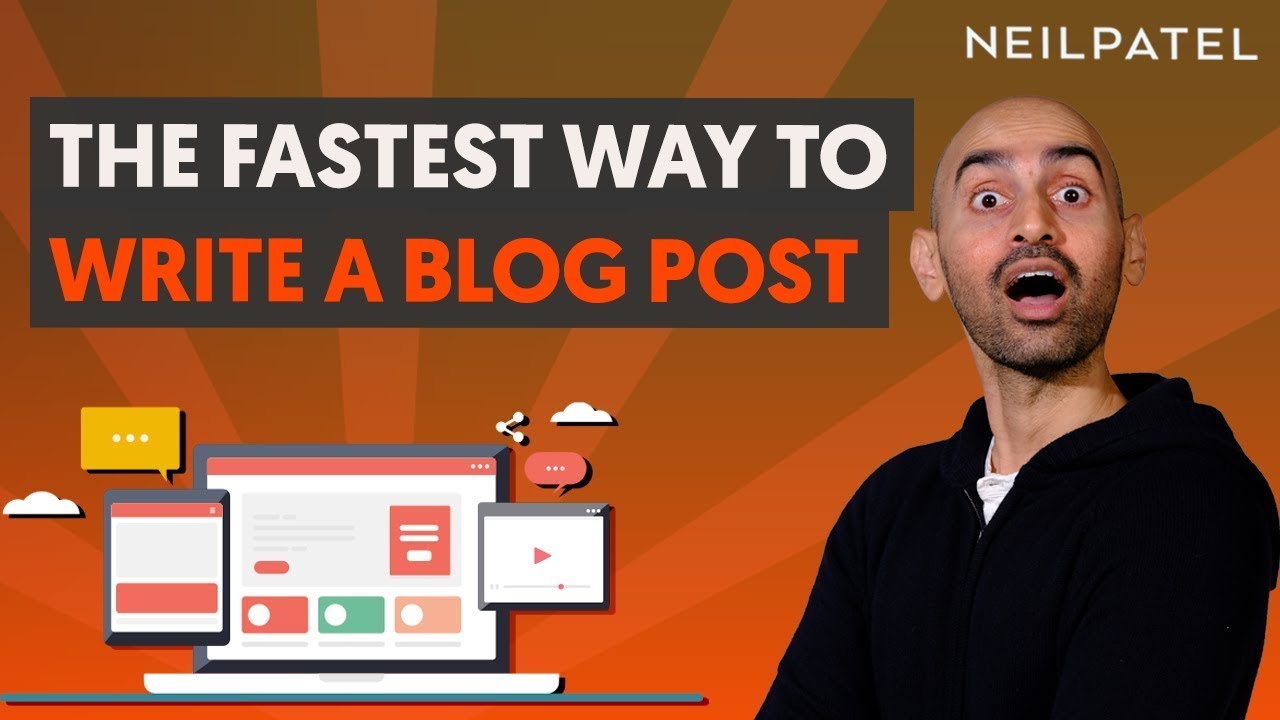

In March 2026, AI has transformed blogging from a time-intensive creative process into something far more scalable — and in many cases, highly automated. While fully “hands-off” 100% automatic blogging still requires careful setup and oversight (especially to maintain quality and avoid search engine penalties), modern AI tools can handle 70–90% of the work: topic discovery, research, outlining, drafting, visual creation, SEO optimization, and even publishing.
The key shift in 2026 is treating AI as a high-quality co-pilot and automation engine rather than a simple text generator. Pure copy-paste AI content rarely ranks well anymore due to Google’s emphasis on E-E-A-T (Experience, Expertise, Authoritativeness, Trustworthiness) and helpfulness. The winning approach combines powerful AI with strategic human input.
Why Automatic Blog Writing Works Better Than Ever in 2026
- Advanced models (Claude 3.5/4, GPT-o1/o3 series, Gemini 2.0+) produce near-human long-form content when given detailed prompts.
- Tools now integrate real-time web research, competitor analysis, and image/asset generation.
- No-code automation platforms (n8n, Make.com, Zapier + AI) chain steps together → keyword → researched draft → optimized post → auto-publish.
- SEO tools built into AI writers help content match top-ranking structures and intent.
Core Approaches to AI-Powered Blog Automation
You can choose your level of automation:
- Assisted mode (most recommended for quality blogs) → AI handles research + first draft → you edit + add personal voice/experience.
- Semi-automatic mode → One-click keyword → full researched article with images → human final review → publish.
- Near-fully automatic mode (for high-volume / niche sites) → Automated workflow publishes 3–15 posts/week with minimal intervention (still needs occasional quality gates).
Step-by-Step Workflow for Automatic / Semi-Automatic Blog Writing
Step 1: Niche & Keyword Research (AI-powered) Use tools like:
- Ahrefs / Semrush + AI layers (or built-in features in eesel, Surfer, GrowthBar)
- ChatGPT/Claude with web access or Perplexity for quick SERP analysis
- Specialized tools: eesel AI, NightOwl, ContentShake AI
Prompt example: “Analyze the top 10 Google results for ‘best running shoes 2026’. Extract common subtopics, content gaps, average word count, and suggested outline structure for a better article.”
Step 2: Generate Detailed Outline Feed the research into Claude, Gemini, or Jasper → ask for SEO-optimized outline with H2/H3s matching search intent.
Step 3: Draft Generation (the “automatic” core) Best 2026 tools for near-automatic drafts:
- eesel AI blog writer — keyword → researched, structured, media-rich post
- Claude Projects / Artifacts — excellent long-form human-like writing
- Jasper AI — strong brand voice consistency + templates
- Surfer AI / GrowthBar — heavily SEO-optimized drafts
- Writesonic / Copy.ai — fast + good for shorter posts
- ChatGPT o1 / o3 + custom instructions — very flexible & powerful in 2026
Strong prompt structure example: “You are an experienced [niche] blogger with 10+ years expertise. Write a 1,800-word comprehensive, engaging blog post in conversational yet authoritative tone. Title: [title]. Target keyword: [keyword]. Include: latest 2026 statistics, 3 real examples, pros/cons table, actionable steps list. Structure exactly as this outline: [paste outline]. Add natural internal & external link suggestions. End with CTA.”
Step 4: Enhance with Assets (images, tables, infographics) Modern AI tools auto-suggest or generate:
- Midjourney v7 / Flux / DALL·E 4 for hero images & in-post visuals
- Canva Magic Studio or built-in generators in eesel/Narrato
- AI tables & charts via Claude Artifacts or ChatGPT canvas
Step 5: Human Review & Personalization (non-negotiable for quality) Even in semi-automatic mode:
- Add personal stories, unique opinions, original data
- Fix “AI smell” (repetitive phrasing, generic transitions)
- Fact-check important claims
- Strengthen E-E-A-T with author bio, sources, experience signals
Step 6: SEO Optimization & Final Polish
- Surfer SEO, Frase, or AIOSEO AI Assistant → on-page score improvement
- Grammarly / ProWritingAid + Claude for final refinement
Step 7: Auto-Publishing (true automation)
- WordPress + plugins (AIOSEO AI, Jetpack AI, custom n8n workflows)
- Tools like Frizerly or Narrato → schedule & publish automatically
- n8n / Make.com workflows → keyword list → generate → format → post to CMS
Recommended 2026 Tool Stack for Different Budgets
Beginner / Solo Blogger (~$30–80/month)
- Claude Pro + ChatGPT Plus
- Canva Pro (images)
- AIOSEO or RankMath (WordPress SEO + AI)
Serious Content Creator (~$100–250/month)
- eesel AI or Surfer AI (end-to-end blog writer)
- Claude + Jasper (drafting)
- Midjourney / Leonardo.ai (visuals)
- n8n community edition (automation)
High-Volume / Agency (~$300+/month)
- Narrato or Jasper Teams
- Surfer + eesel combo
- Custom n8n / Make workflows → auto-publish pipeline
- Human editor for final gatekeeping
Quick Tips for Success in 2026
- Always add human experience → Google still rewards it heavily.
- Use detailed, role-based prompts → quality jumps dramatically.
- Build topic clusters → AI excels at interlinking articles.
- Monitor EEAT signals → author bios, about page, sources.
- Test small → start with 5–10 assisted posts before scaling automation.
AI hasn’t replaced great bloggers — it has made great bloggers 3–5× more productive. The bloggers winning big in 2026 aren’t the ones letting AI run wild; they’re the ones using AI as a turbocharged research + drafting team while keeping their unique voice and expertise at the center.
Ready to build your own AI blogging machine? Start small: pick one strong writing model (Claude or o1-pro), write one killer prompt template, and generate your next post draft today. The speed difference will surprise you.