
Blogging remains a powerful way to build an audience, establish authority, drive traffic, and generate income — but the landscape has evolved dramatically. With AI Overviews dominating search results, stricter Google algorithms emphasizing helpful content, E-E-A-T (Experience, Expertise, Authoritativeness, Trustworthiness), and user-first value, many traditional tactics now backfire. In 2026, quantity-focused, generic, or unedited AI content often leads to traffic drops, poor rankings, and reader disengagement.
Whether you’re a beginner or seasoned blogger, avoiding these pitfalls can future-proof your site and help you thrive amid AI-driven search and shorter attention spans.
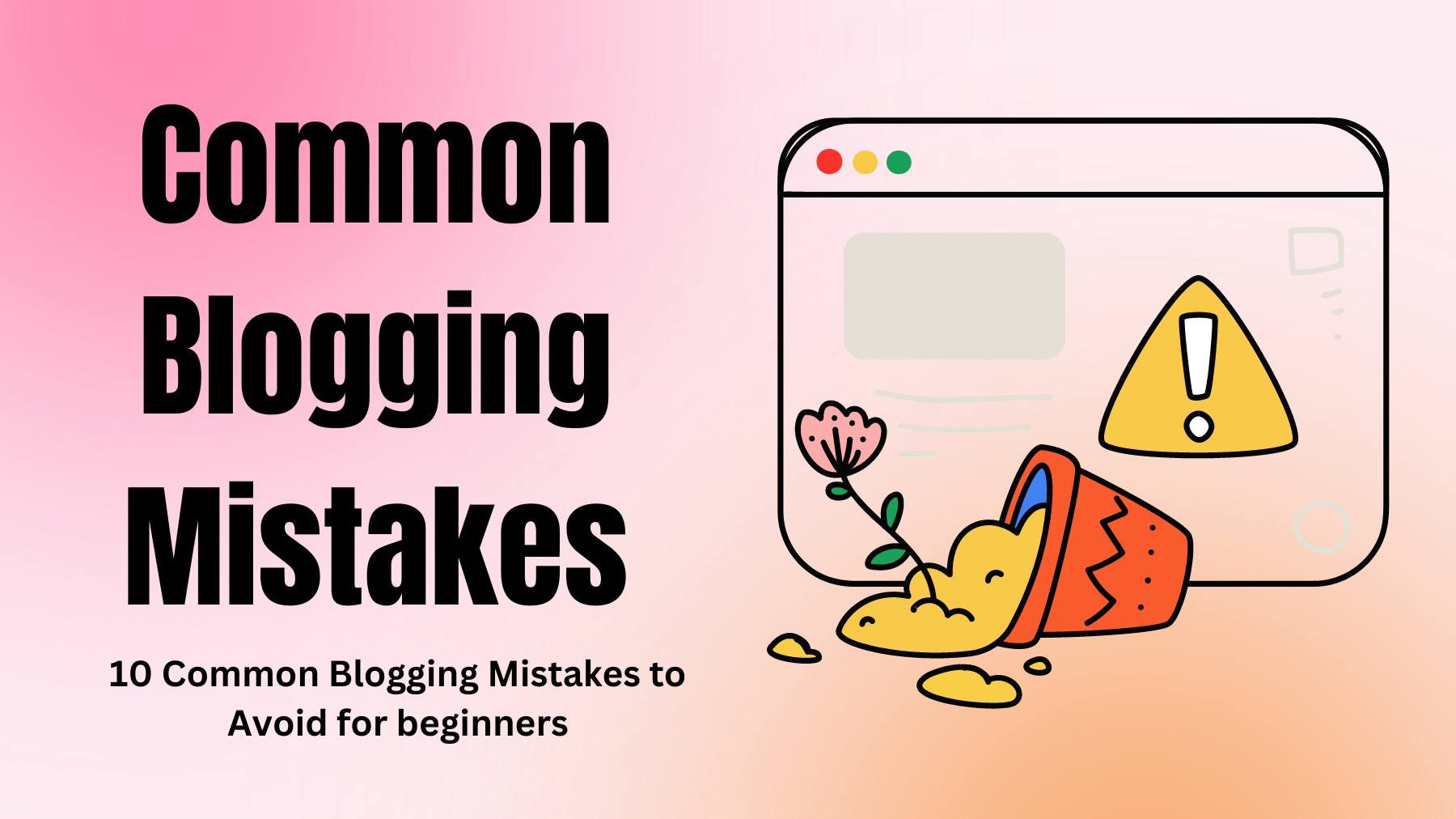
Here are the most critical blogging mistakes to steer clear of in 2026, based on current trends and expert insights.
1. Prioritizing Quantity Over Quality
The biggest SEO killer right now is churning out daily or high-volume posts at the expense of depth. Google’s Helpful Content updates and AI summaries reward comprehensive, expert-level articles over mediocre volume.
Why it hurts: Thin, rushed content gets buried or summarized away by AI Overviews, leading to zero clicks.
Fix it: Focus on fewer, better posts. Aim for in-depth “ultimate guides,” how-tos, or original insights that truly answer reader questions. One exceptional 2,000–4,000-word post outperforms ten 800-word generics.
2. Ignoring or Misunderstanding Search Intent
Writing what you want instead of what readers (and AI systems) actually need is deadly. Many bloggers target keywords without grasping informational, navigational, transactional, or commercial investigation intent.
Why it hurts: Posts that miss the mark get skipped by humans and penalized by algorithms favoring clear, direct answers.
Fix it: Analyze top-ranking pages for every keyword. Ask: What question is the user really asking? Deliver the best possible answer upfront, with structure that AI can easily parse (clear headings, lists, tables).
3. Publishing Raw or Unedited AI-Generated Content
AI tools speed up drafting, but dumping unedited output is one of the fastest ways to lose trust and rankings.
Why it hurts: Generic tone, factual errors, repetition, and lack of personality make content feel soulless. Google detects low-effort AI spam, and readers bounce.
Fix it: Use AI as a first draft or research assistant. Always inject your unique voice, personal experiences, data, or original analysis. Tools with custom tone training help maintain brand voice.
4. Choosing the Wrong Niche or Going Too Broad
Starting with an ultra-competitive or vague niche (e.g., “lifestyle” or “tech”) makes building authority nearly impossible.
Why it hurts: You compete against giants without topical depth, leading to poor visibility.
Fix it: Narrow to a specific angle where you have real expertise (e.g., “sustainable travel for families” vs. “travel”). Build topical clusters around sub-themes to signal expertise to search engines.
5. Neglecting On-Page SEO and Technical Basics
Skipping keyword research, poor headlines, no internal linking, slow site speed, or ignoring mobile optimization remains surprisingly common.
Why it hurts: Even great content won’t rank without proper signals.
Fix it: Use tools for research, craft benefit-driven headlines with keywords, optimize images/alt text, ensure fast loading, and build internal links. Keep content scannable with short paragraphs, subheadings, and visuals.
6. Relying Solely on Google/Organic Traffic
Depending 80–90% on search leaves you vulnerable to core updates, AI shifts, or algorithm volatility.
Fix it: Diversify: Build an email list first, share on social/Pinterest/YouTube, repurpose content into threads or videos, and explore newsletters or communities.
7. Writing Boring or Clickbait Headlines Without Value
Weak, vague, or misleading headlines kill click-through rates in a skim-heavy era.
Why it hurts: Readers judge in seconds; bad titles mean no traffic even with good rankings.
Fix it: Promise clear value (numbers, questions, “how to,” “why”). Avoid pure clickbait — deliver what you promise to build trust and reduce bounce rates.
8. Not Building an Email List or Audience Ownership
Treating your blog as the only asset ignores platform risks.
Why it hurts: Algorithm changes or de-indexing can wipe out traffic overnight.
Fix it: Prioritize opt-ins early. Offer lead magnets (free guides, checklists) and nurture subscribers — email remains the most owned channel.
9. Inconsistent Posting or Unrealistic Schedules
Starting strong then ghosting, or forcing unsustainable daily posts, leads to burnout and stagnant growth.
Fix it: Commit to a realistic cadence (e.g., 1–2 high-quality posts/month). Consistency beats frequency; plan with a content calendar.
10. Failing to Update or Remove Outdated/Poor Content
Old, thin, or low-value posts drag down sitewide quality signals.
Fix it: Audit regularly. Refresh top performers with new data/examples; delete or noindex underperformers. Google increasingly evaluates overall site helpfulness.
Quick Comparison: Old vs. 2026 Blogging Mindset
| Aspect | Old Approach (Pre-2025) | 2026 Winning Approach |
|---|---|---|
| Posting Frequency | Daily or high volume | Fewer, deeper, expert-level posts |
| Content Focus | Keyword stuffing, length | User intent, originality, E-E-A-T |
| AI Usage | Raw output or heavy reliance | Assisted drafting + heavy human editing |
| Traffic Sources | Google-first | Diversified (email, social, multi-platform) |
| Success Metric | Pageviews/traffic volume | Engagement, trust, conversions, authority |
In 2026, blogging rewards authenticity, depth, and reader-first thinking over shortcuts. Avoid these mistakes, focus on genuine value, and treat your blog as long-term infrastructure — not just content. The bloggers who adapt by creating content that’s helpful to humans and legible to AI systems will come out ahead.