
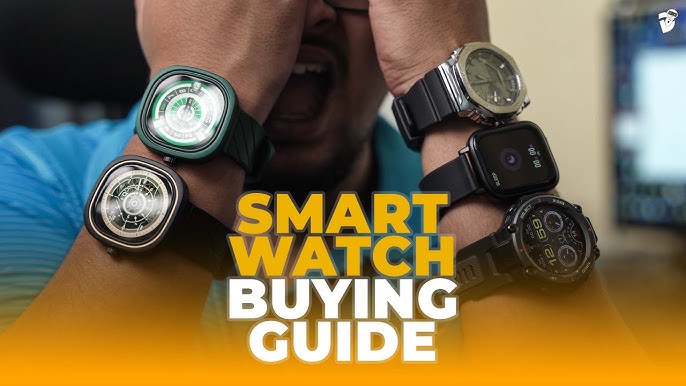
Smartwatches have matured into powerful wrist-based companions that blend fitness tracking, health insights, notifications, and smartphone integration. In early 2026, top models like the Apple Watch Series 11, Samsung Galaxy Watch 8, Google Pixel Watch 4, and rugged options from Garmin deliver impressive capabilities. Choosing the right one depends on your phone ecosystem (iOS or Android), priorities (fitness depth vs. everyday smarts), and budget.
This guide breaks down the essential features to evaluate when shopping, helping you avoid common pitfalls and pick a watch that fits your lifestyle.
1. Phone Compatibility and Ecosystem
Your smartphone largely dictates your options.
- iPhone users: Stick with Apple Watch models (Series 11, Ultra 3, or SE). watchOS integrates seamlessly with iOS for notifications, apps, Apple Pay, and features like crash/fall detection.
- Android users: Choose Wear OS devices like the Samsung Galaxy Watch 8 (optimized for Samsung phones), Google Pixel Watch 4 (best for Google ecosystem integration), or versatile options from Garmin/Amazfit.
- Cross-platform? Some Fitbit or Garmin models work with both, but expect reduced features.
Tip: If you’re deep in one ecosystem, prioritize native integration for smoother experience and future updates.
2. Battery Life
Battery remains a top complaint—many still require daily charging.
- Standard models (Apple Watch Series 11, Pixel Watch 4): 24–36 hours, with always-on displays draining faster.
- Mid-range Android: Samsung Galaxy Watch 8 often hits 1.5–2 days.
- Fitness-focused (Garmin Venu series, some Amazfit): 5–14+ days, ideal if you hate frequent charging.
Look for fast charging (Pixel Watch 4 excels here) and low-power modes for multi-day adventures.
3. Display Quality
A bright, readable screen matters for outdoor use and quick glances.
- Type: AMOLED or OLED dominates for vibrant colors and always-on capability.
- Brightness: Peak levels of 2,000–3,000 nits (Galaxy Watch 8 and Pixel Watch 4 hit high marks) ensure visibility in sunlight.
- Size/Design: 41–46mm cases common; domed glass on Pixel Watch 4 adds premium feel, while Apple offers crisp LTPO tech for variable refresh rates.
Always-on displays are now standard on flagships—test for readability without raising your wrist.
4. Health and Fitness Tracking
Advanced sensors define 2026 models.
- Core sensors: Heart rate (continuous), blood oxygen (SpO2), wrist temperature, accelerometer/gyroscope.
- Advanced features: ECG (irregular rhythm alerts), sleep apnea detection, hypertension trend notifications (Apple Watch Series 11 leads here), skin temperature for cycle/illness insights.
- Fitness modes: Auto-detection, GPS accuracy, training load/readiness scores (Garmin excels for athletes), recovery metrics.
- Accuracy: Prioritize models validated in reviews (e.g., Garmin for serious sports, Apple for general wellness).
If health insights matter most, check for FDA-cleared or clinically backed features.
5. Build Quality, Durability, and Water Resistance
Daily wear demands toughness.
- Materials: Aluminum (lightweight, affordable), stainless steel/titanium (premium, scratch-resistant), or rugged polymer (Garmin/Ultra models).
- Water resistance: 50m+ standard; some (Apple Ultra, Galaxy Watch) handle swimming/diving.
- Extras: Sapphire crystal (premium), MIL-STD testing for drops/shocks.
For active users, prioritize rugged builds over slim fashion.
6. Smart Features and Usability
Beyond tracking, these make a watch truly useful.
- Notifications/Calls: Reliable syncing, quick replies, speaker/mic for calls.
- Apps and Assistant: Rich app stores (watchOS unbeatable for iOS), Gemini (Pixel), Bixby/Samsung (Galaxy).
- Payments/Safety: Contactless pay, emergency SOS, fall/crash detection.
- Customization: Bands, watch faces, sizes.
7. Price and Value
Expect $250–$800+ range.
- Budget (~$200–$350): Apple Watch SE, older models, or Amazfit for basics.
- Mid-range (~$350–$500): Pixel Watch 4, Galaxy Watch 8, Apple Series 11.
- Premium ($500+): Ultra models, high-end Garmin for pro features.
Consider last-gen discounts—software updates often keep older watches relevant.
Quick Comparison of Top Contenders (Early 2026)
- Apple Watch Series 11 — Best for iPhone users; polished health suite, 24-hour battery, hypertension alerts.
- Samsung Galaxy Watch 8 — Top Android pick; bright display, strong fitness coaching, Samsung ecosystem perks.
- Google Pixel Watch 4 — Sleek design, repairable, Gemini AI, fast charging; great for Google fans.
- Garmin (Venu/Fenix series) — Battery champ, deepest fitness analytics; less “smart” focus.
Final Tips Before Buying
- Match your phone — This is non-negotiable.
- Prioritize 2–3 features — Battery + health? Go Garmin/Apple. Sleek design + apps? Pixel/Galaxy/Apple.
- Read recent reviews — Test accuracy and real-world battery in 2026 updates.
- Try in-store — Comfort and wrist feel vary hugely.
- Check return policies — Ecosystems lock you in, so test for a week.
In February 2026, the right smartwatch feels like an extension of your life—not a gadget. Focus on what solves your daily needs, and you’ll gain a reliable tool for health, productivity, and connection. Happy hunting!